

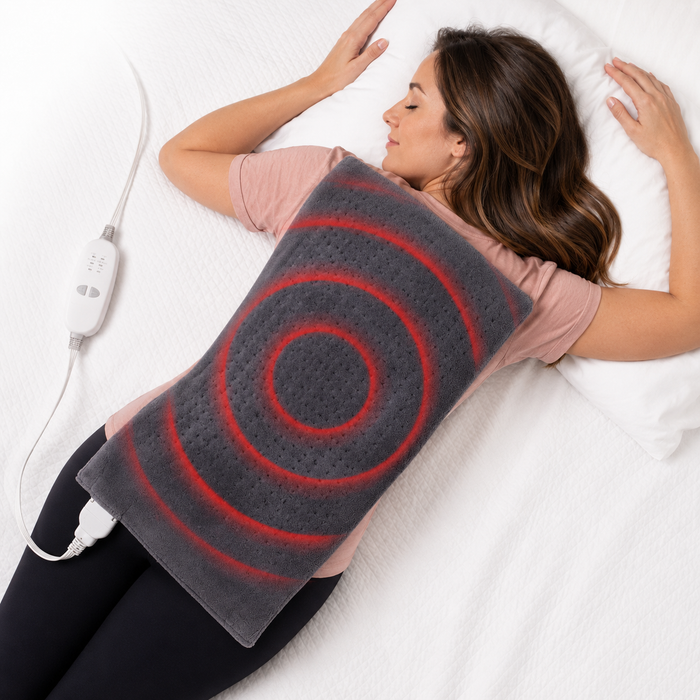
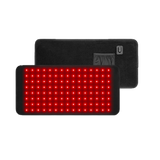
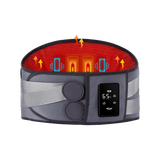
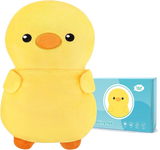
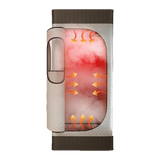
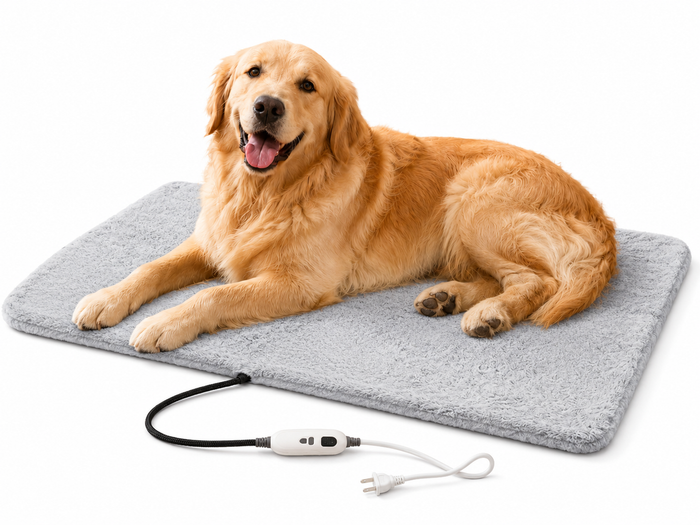




Warmth has a simple emotional language: slow down, settle in, give the body a moment. Used carefully, a warm pack or heating pad can be a soothing option for common stiffness and muscle discomfort. It is a comfort tool—not a cure, and not the right response to every kind of pain.
What gentle heat may do
Health services commonly include wrapped heat packs among self-care options for everyday neck discomfort. People often describe warmth as relaxing and temporarily soothing. The experience may make gentle movement feel easier, but it should never be used to cover up worsening or unexplained symptoms.
A safer warmth ritual
- Read the instructions for the specific product before use.
- Keep a protective layer between a hot surface and the skin unless the product is explicitly designed otherwise.
- Choose comfortably warm—not intensely hot—and check the skin regularly.
- Keep the session time within the product guidance. Do not sleep with an active heat source.
- Stop immediately if you notice burning, unusual redness, irritation, dizziness or increased pain.
The useful temperature is the one that feels gently comforting, never the hottest setting available.
When heat may not be appropriate
Ask a clinician before using heat if sensation or circulation is reduced, if the skin is injured, or if a health condition makes temperature harder to judge. After a new injury, some guidance recommends cold first and heat later; individual situations differ. Severe pain, neurological symptoms, fever or pain after trauma should not be managed only with a home heat routine.
Building a repeatable routine
Pair warmth with an ordinary transition: after closing the laptop, before reading or while taking a quiet break. A consistent, short ritual is easier to use safely than a session that continues unnoticed.
Sources and reading
For general self-care boundaries, see the NHS neck pain guide and MedlinePlus guidance. This article does not replace individual medical advice.

QUESTIONS, ANSWERED
Heat therapy questions people often ask
How hot should a heat pack feel?
Comfortably warm, not intensely hot. Follow the product instructions, protect the skin when directed and stop if you notice burning, unusual redness, irritation or increased pain.
Can I fall asleep with a heating pad?
No. Do not fall asleep with an active heating pad or heat source in place. A short, intentional routine makes it easier to check the skin and end the session on time.
Is heat always right after a new injury?
Not always. Some general guidance recommends cold first after a new injury and heat later, but circumstances differ. Pain after trauma, severe pain or neurological symptoms needs appropriate assessment.


