















Shoulder and neck tension can make an ordinary day feel much heavier. It may appear after a long stretch at a desk, an unfamiliar sleeping position or a period of stress. Most everyday neck pain improves with time, but the sensation is still worth listening to—not with alarm, but with care.
Why tension can build during a normal day
The neck and upper shoulders spend hours supporting the head while we read, work, drive and look down at devices. Staying in one position for too long can leave the area feeling stiff. Sleep position, a sudden strain and stress-related muscle guarding may also play a part.
Comfort often begins with small changes repeated throughout the day, not one perfect posture.
Small habits that may help
- Change position regularly instead of holding one “correct” position for hours.
- Use gentle, comfortable movement and stop if an exercise increases pain.
- Adjust the height of a screen or book so the head does not remain tilted for long periods.
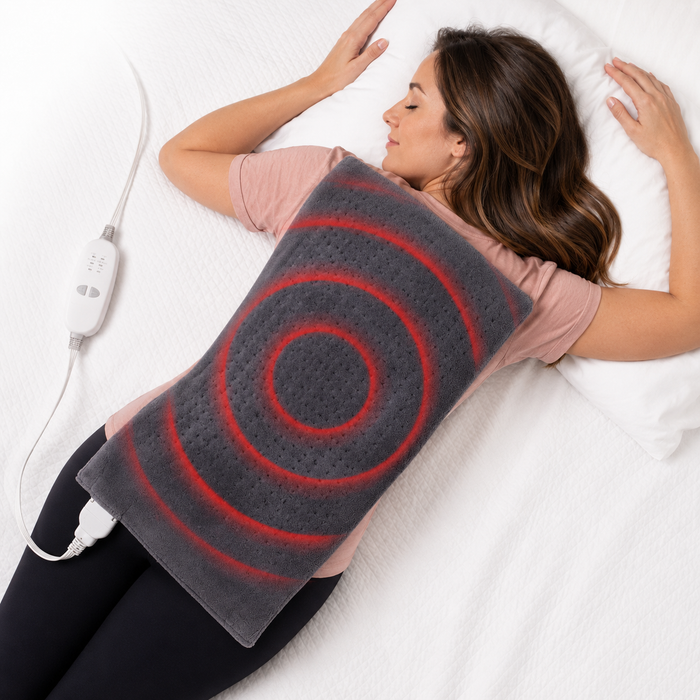
- Try a wrapped warm or cold pack if it feels soothing, following the product instructions.
- Give sleep, hydration and recovery time the same attention as the workday setup.
Heat can be a comforting part of a routine, but it does not diagnose or fix the underlying cause of pain. Never fall asleep with a heating pad in place, and protect the skin from direct heat.
When it is time to ask for help
Seek professional advice when pain does not improve, is severe, follows a fall or injury, or is accompanied by numbness, tingling, weakness, a cold arm, problems walking or changes in bladder or bowel control. Urgent symptoms should be assessed promptly.
Sources and reading
This article was prepared with general self-care guidance from the NHS neck pain guide and MedlinePlus neck pain self-care guidance. It is educational content, not a diagnosis or treatment plan.

QUESTIONS, ANSWERED
Common questions about shoulder and neck tension
Is every stiff neck caused by posture?
No. Time spent in one position can contribute, but sleep position, a strain, stress and other conditions may also be involved. Persistent or unusual symptoms should not be explained away as “just posture.”
Should I keep my neck completely still?
For ordinary tension, gentle comfortable movement is often more useful than holding the neck rigid. Stop if movement makes symptoms worse and ask a qualified professional when you are unsure.
When should I seek medical advice?
Ask for help when pain persists, is severe, follows an injury, or comes with numbness, tingling, weakness, a cold arm, walking problems or changes in bladder or bowel control.


